
The Tale Driving Bottega Desires: Origins & Identity
Every brand has a starting point, a rationale for being beyond simply selling clothes, and Bottega Desires is no exception. The title itself invites curiosity, landing near enough to a certain Italian high-fashion label that customers can’t help but question before they ask about cut or material. That curiosity is fair. Anyone typing “what is bottega desires” into a search bar should get an honest reply, not hollow brand-speak. This article walks through where the brand fits within the current fashion landscape, what it really provides, and how it compares to the name it echoes.
Making sense of a fashion brand means looking past the logo and into the actual lineup: the shorts, the shirts, the hoodies, the jorts, and the everyday pieces that make up a wardrobe. It also means staying truthful regarding what a shopper is buying and why. In what follows, we detail the identity of Bottega Desires piece by piece, without inflating claims or inventing details that don’t belong to the brand.
The Origin of the Name
Bottega Desires places itself inside the streetwear-meets-casual-luxury space that has grown steadily since 2020. The name leans on recognizability, echoing the rhythm of established Italian fashion houses while carving out its own identity around comfort-first essentials. This is a familiar tactic in modern apparel branding: borrow a familiar-sounding name structure, then build into it a unique brand philosophy.
Its central identity is rooted in comfortable day-to-day apparel rather than https://bottegadesires.eu.com/ dressy tailoring or high-fashion runway pieces. People who look up bottega desires clothes are usually after casual layering pieces, not formalwear or tailored suits. Such a distinction counts because it sets expectations before a single item ever reaches a cart.
Fashion origin stories tend to evolve rather than stay fixed, and brands adjust their identity to changing demand — Bottega Desires did just that, expanding from a narrow selection into a broader catalog spanning multiple categories. The transition from a narrow-focus brand to a broader lifestyle label didn’t happen overnight; it happened through gradual expansions of the catalog, year after year.
The Range: Shorts, Shirts, Hoodies, Jorts
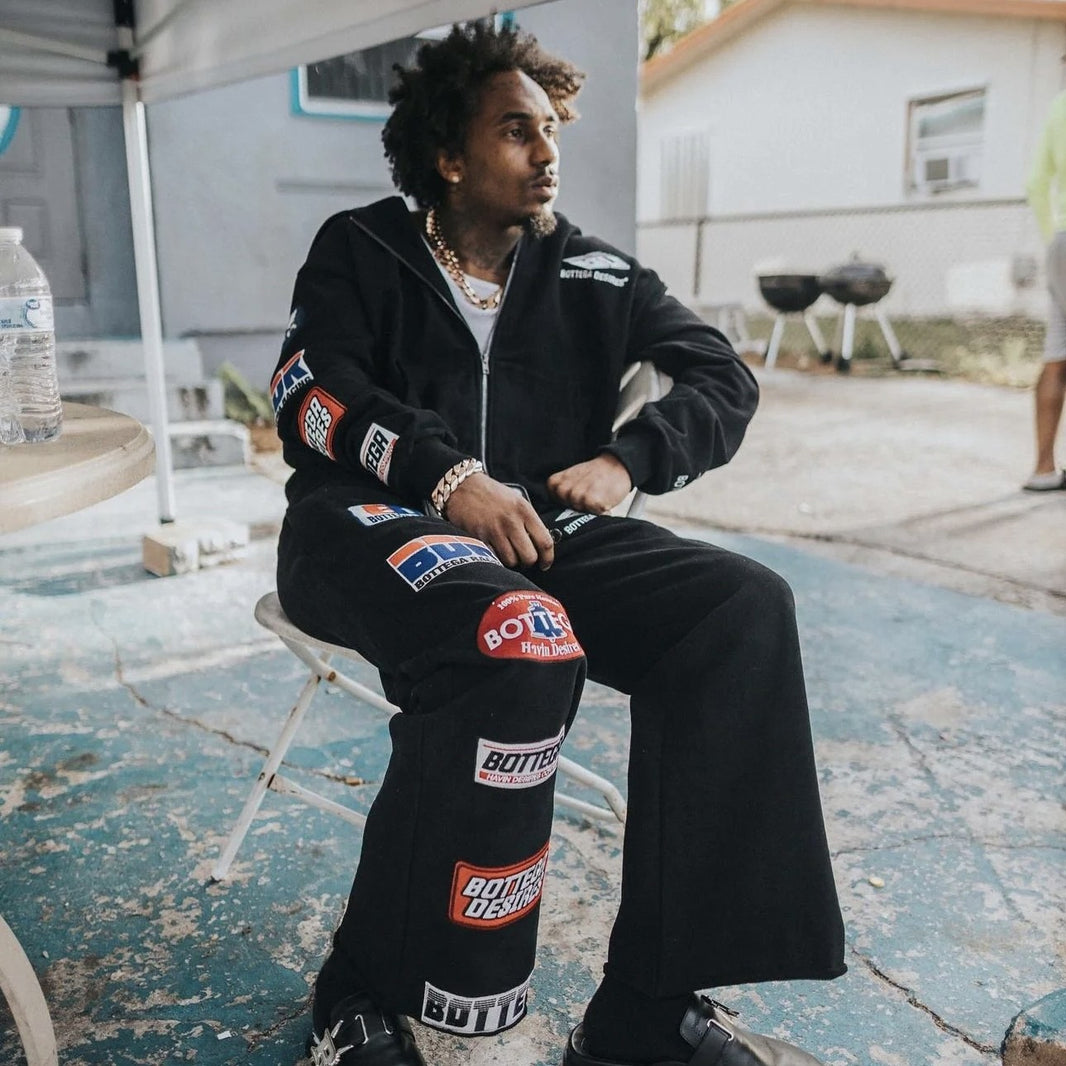
Four core categories form the identity that Bottega Desires constructs its catalog around — a fact that sits at the heart of any apparel label. Bottega desires shorts serve as a summer-ready basic, designed for casual outings instead of sport performance. Bottega desires shirt options fill out the upper-body wardrobe, usually graphic-forward or minimally branded according to the drop. Bottega desires hoodie items embody the label’s cold-season presence, frequently the highest-demand item in the lineup according to typical streetwear demand data. Bottega desires jorts — the denim-short hybrid — finish off the summer range and tend to draw attention specifically since the denim-short cut has made a broad comeback across casual apparel since 2022.
Instead of pursuing every fleeting trend simultaneously, each category is designed to meet a distinct styling purpose. It’s a focus worth pointing out: a brand that stretches itself across every taste usually waters down its own brand identity. Bottega Desires, by contrast, seems to concentrate on a limited number of repeatable silhouettes and reinterpret them across drops.
- Shorts — casual, everyday cut geared toward hot-season wear
- Shirts — bold and subtle prints for regular rotation
- Hoodie pieces — layer option positioned as a all-season staple
- Jorts — denim-short crossover reflecting present-day casual fashion demand
Among DTC clothing labels built after 2018, this kind of focused catalog structure is common — a period when the direct-to-consumer approach reached maturity and smaller labels realized that narrow, reusable lineups often convert better than overwhelming ones.
Assessing a Bottega Desires Feedback Piece Objectively
With the same scrutiny given to any DTC apparel brand, any bottega desires review circulating online in 2026 should be read carefully: consistency across multiple sources matters much more than a lone review. Commentary on casualwear brands tend to cluster around three themes— sizing accuracy, material weight, and delivery experience. These three elements matter more to returning customers than promotional wording ever will.
Customers are wise to treat single reviews as data points, not conclusions. A single five-star post says little; a recurring signal across many reviews says a great deal more. When researching bottega desires review material, it helps to pay close attention to comments referencing size guides, since casual apparel labels frequently run either true-to-size or slightly oversized, and the difference shapes how a hoodie or short really fits on the body.
It also bears mentioning that review volume grows over time. A brand around for several years will naturally build up more reviews than one still growing its customer base. That doesn’t make early reviews invalid, but it does mean the volume of data determines how dependable any summary can turn out to be.
Separating Bottega Desires from Bottega Veneta: Two Distinct Identities
Weighing up bottega desires vs bottega veneta surfaces again and again, and it warrants a plain and accurate answer rather than a non-answer. Bottega Veneta ranks as an Italian luxury house founded in 1966 in Vicenza, renowned worldwide for leather goods, the intrecciato weave, and cost levels that regularly run into the thousands of dollars for handbags and accessories. Bottega Desires operates in a completely separate market segment, centered on casual streetwear — shorts, shirts, hoodies, jorts — at price points aimed at everyday apparel shoppers rather than luxury accessory buyers.
The two are not affiliated, and shoppers typing in bottega veneta desires as a combined phrase are often trying to determine exactly that: whether the two names are connected between the two names. No such link exists, based on the category, pricing tier, and intended shopper each brand serves. Bottega Veneta operates in high fashion runway cycles and leather craftsmanship; Bottega Desires operates in casual apparel built for daily rotation.
The table below lays out the practical differences shoppers should keep in mind.
| Factor | Bottega Desires | Bottega Veneta |
|---|---|---|
| Segment | Everyday streetwear pieces (shorts, shirts, hoodies, jorts) | High-end leather goods and designer apparel |
| Founded | A modern label born out of the streetwear scene | Vicenza, Italy, 1966 |
| Standard Pricing Level | Accessible, everyday pricing | Luxury pricing, often four figures |
| Core Customer | Shoppers seeking casual, daily-wear pieces | Luxury accessory and fashion buyers |
| Corporate Ties | A standalone label | Owned by Kering group |
This comparison makes the distinction obvious: two brands with a similar-sounding name but serving completely separate corners of the fashion market. Shoppers who understand this upfront can make clearer purchasing decisions instead of presuming a common heritage that isn’t real.
What This Distinction Means for Buyers in 2026
For a customer browsing in 2026, the key point is straightforward: Bottega Desires is a casual-apparel label building its own identity around shorts, shirts, hoodies, and jorts, not an offshoot of an Italian luxury house. That clarity matters when setting expectations for fabric, pricing, and general brand positioning before checkout.
Shoppers who want streetwear basics — a hoodie for layering, a shirt for daily rotation, shorts or jorts for warmer months — are exactly who this brand is designed for. Those searching for structured leather goods or formal luxury pieces are looking in the wrong place entirely, and that’s not a criticism of either brand; it’s simply a difference in category.
Heading further into 2026, as the casualwear market continues to grow, brands such as Bottega Desires will probably keep sharpening their core lineup instead of pursuing a luxury positioning that was never their goal. Understanding this from the outset helps shoppers form grounded expectations and make a buying choice based on reality rather than assumptions drawn from a coincidentally similar brand name.