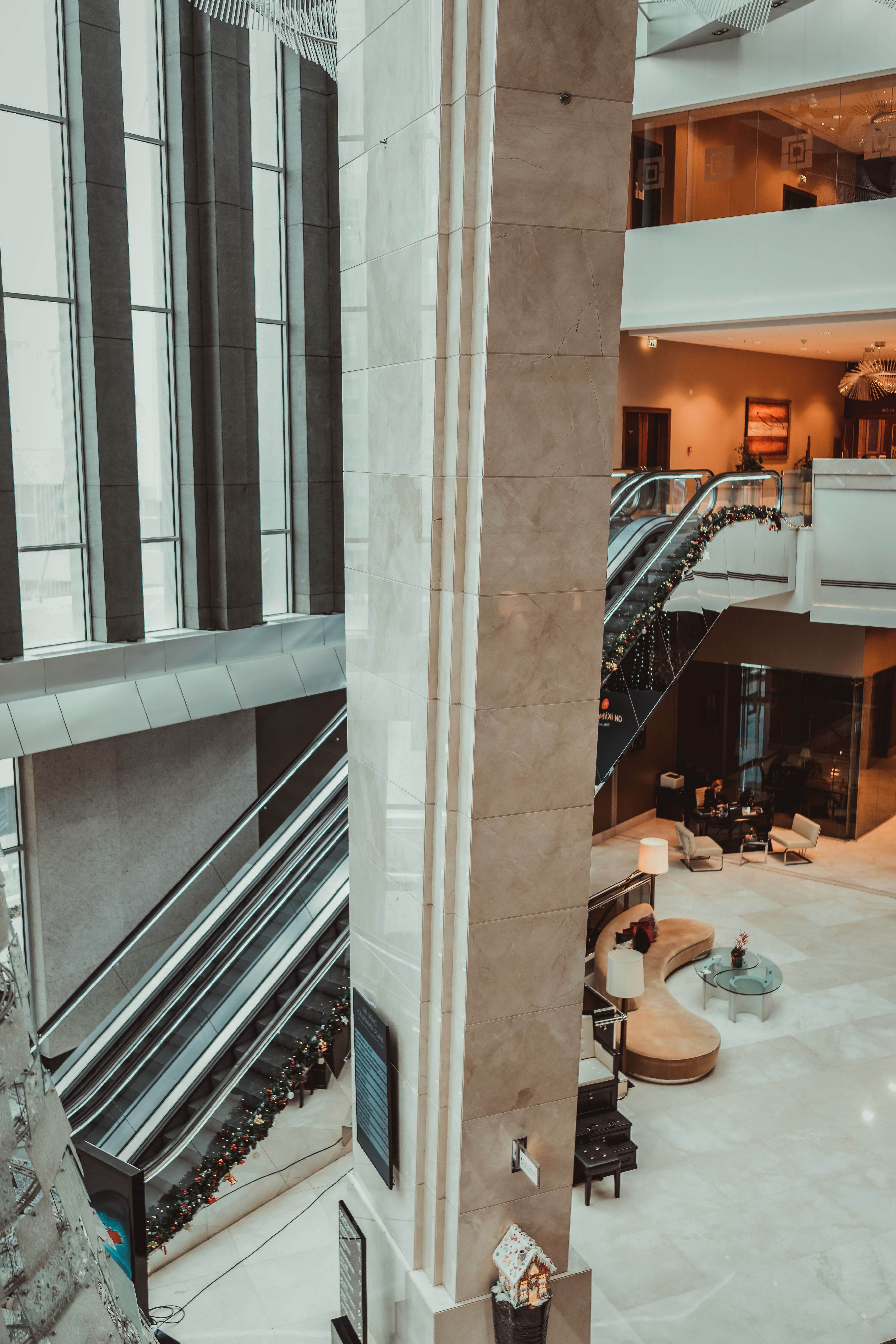
Smart Interiors for Small Apartments in Dubai: Real-World Fixes That Deliver
Dubai real estate clings to a stubborn myth that a compact flat can never feel spacious, upscale, or truly livable. Anybody who has visited a well-planned studio in Dubai Marina or a compact two-bedroom in Business Bay realises how off that idea truly is. Square footage matters, no question, but clever design again and again makes little homes read far larger than the plan would suggest. Homes are getting smaller and rents keep climbing, so getting more from less is more prized than ever than in 2026. In reality small-space challenges usually have practical, affordable solutions just waiting to be used. This article takes on the usual frustrations head-on and answers each with practical, real-world solutions. As you read on, there are honest 2026 cost bands so that you can budget the job with real assurance.
The Myth: Compact Apartments Cannot Feel Luxurious
Start by dispatching the biggest myth of all, because it holds so many homeowners back from even starting. A sense of luxury has nothing to do with grand proportions; it grows from considered detail, fine materials, and a calm, uncluttered atmosphere. Warm stone, integrated lighting, and bespoke joinery can make a small Downtown Dubai home feel much richer than a large but generic space. Because consistency is the real secret, a restrained palette and flooring carried throughout make even 700 square feet read as coherent and intentional. Statement pieces chosen with care, such as a single beautiful light fixture, create impact while never cluttering the space. The quiet-luxury direction driving Dubai interiors in 2026 happens to be beautifully suited to smaller homes. Accept that less can genuinely hasan roomi dubai feel like more, and every choice after that gets simpler.
The Problem: Storage Always Runs Short
Across Dubai apartments, the top complaint is a chronic shortage of storage. The solution is to think vertically and to see every wall as an opportunity rather than a constraint. Wardrobes taken to full height and joinery pushed to the ceiling capture space that regular furniture throws away. Fitted around beds, sofas, and even doorways, bespoke units hide clutter while keeping sightlines clean and calm. Hardworking, two-in-one furniture, like ottomans with internal storage or beds with drawers below, are worth their weight in a small home. Kitchens benefit too: tall pull-out larders and corner carousel fittings reclaim usable space from those awkward gaps. It does cost, but a little bespoke joinery transforms how a small apartment functions every day.
- Wherever possible, carry wardrobes and shelving to the ceiling.
- Pick beds, sofas, and benches with hidden internal storage.
- Put the backs of doors to work and the space above them for extra shelving.
- Wherever a narrow gap sits beside an appliance, insert slim pull-outs.
Problem: The Rooms Feel Cramped
When a room feels tight, the instinct is to remove furniture, but there are far subtler fixes. Large mirrors are the oldest trick for a very good reason, appearing to double the space and bouncing Dubai’s abundant daylight deeper inside. Carry a light, consistent colour palette across walls, floors and joinery and you erase the visual breaks that leave a room feeling choppy. Choosing furniture with slim legs and a smaller visual footprint lets the gaze move further over the floor. Keep the dressing minimal and hang the curtains high and wide, and the ceiling feels taller while the windows look grander. Fewer separate materials and finishes calm the space and make it feel larger. The square footage is unchanged, but it really does feel bigger.
The Problem: A Single Room Must Do Everything
The studio or one-bed often asks a single room to be lounge, office, dining room, and sometimes bedroom too. Break it into zones with rugs, lighting, and furniture placement to mark the shift from one function to the next. A slim console can separate a sleeping area from a living zone while serving just as well as a desk. Foldaway and extendable pieces, from wall beds to drop-leaf tables, let the space transform through the day. Sliding partitions or open shelving units split zones without cutting light the way a solid wall does. Flexible, multifunctional layouts are one of 2026’s defining trends and fit compact Dubai living perfectly. Even one room can feel ordered and intentional rather than chaotic when zones are clearly marked.
Problem: Not Enough Natural Light
Many mid-floor apartments in packed districts like Bur Dubai see less daylight than residents would wish. To remedy this, maximise and then evenly distribute whatever daylight you get. Keep window zones as open as possible and keep tall furniture away from the glazing. Together, reflective surfaces, pale flooring, and mirrors opposite windows carry light further inward. To make up the difference, layer the artificial lighting, with ambient, task and accent sources wired separately. Fitted with warm dimmable LEDs, a dim flat reads cosy at night instead of bleak and clinical. Thoughtful lighting design is often the most transformative yet least disruptive upgrade a small home can get.
Tenant? Keep Every Change Reversible
Given how many Dubai residents rent, building in reversibility is key for any small-space project. Peel-and-stick finishes, freestanding units and tension-mounted fittings, you make a real difference and stay well within the lease. Good rugs, lighting, and textiles come with you when you move, which makes them genuinely smart buys. Freestanding wardrobes and modular shelving add valuable storage and simply come with you when you leave. Before making any fixed alterations, always read the contract and secure the landlord’s written permission. For an affordable refresh, try peel-off cabinet film or a short-term feature wall. Even a rental can feel wholly like yours when you keep things reversible.
Budgeting Small-Space Design in 2026
Spending on small-space upgrades swings widely, depending entirely on ambition and finish. As a 2026 market estimate, an entry-level full fit-out of a compact apartment may begin at roughly AED 200,000 to 340,000, while a mid-tier redesign of a two-bedroom around 1,100 to 1,500 square feet often lands between AED 400,000 and 750,000. Per square foot, entry-level residential work runs about AED 75 to 250, with mid-range schemes at roughly AED 200 to 400. On most quotations, custom joinery, the quiet star of compact interiors, is the biggest single cost. The majority of apartment projects run about six to ten weeks on site once the design and approvals are complete. As for design-only fees, they typically sit near 10 to 20% of the project budget, and every figure here is a market range rather than a fixed quote.
| Issue | Sensible Solution | 2026 Cost Estimate |
|---|---|---|
| Storage running short | Full-height custom joinery and double-duty furniture | AED 15,000 to 60,000+ |
| Feeling boxed in | Mirrors, a pale palette and slim-profile furniture | AED 5,000 to 25,000 |
| A single multi-use room | Zoning, a wall bed, and modular folding furniture | AED 10,000 to 40,000 |
| Poor natural light | Layered lighting design and reflective finishes | AED 8,000 to 30,000 |
| Rental restrictions | Reversible, freestanding and peel-and-stick fixes | AED 3,000 to 15,000 |
The Bottom Line
None of these issues is special to your flat, and none is beyond a sensible solution. The thread running through it all is intentionality, with each element earning its keep and serve more than one purpose. Plan clearly first, give storage and light top billing, and let a restrained palette hold the whole scheme together. A few well-executed changes beat large, scattered ones nearly every time in a compact home. Short on budget? Split it into phases and hit the biggest wins first. A carefully designed Dubai apartment can feel serene, generous and quietly upscale, whatever its actual square footage. The cramped-small-home myth does not stand up to good design.